


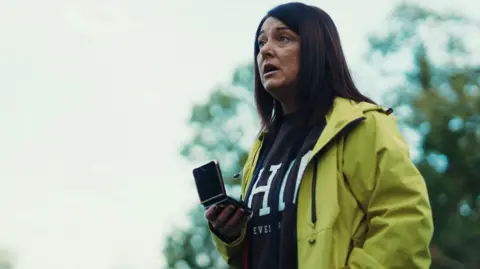
During an interview near a public park in Falkirk, a confronted us.
Might I question why you’re allowing these individuals to sit in this public space?” she asked while filming the interaction on her smartphone.
The person we were speaking with for our investigation was living in a nearby asylum hotel, where heated protests had been occurring since the previous season.
The resident mentioned that residents from the hotel had been interacting with local minors, and asked that we move our conversation to another location.
Suddenly, a group of individuals who we were unaware of playing football in the vicinity came over the rise.
She told me it was my doing they were there and if “anything happens here, you’ve got it on your head.”
The resident shared her recording to the online platforms. It was seen millions of times after being shared by conservative influencers.
She was praised as a defender for protecting women and children.
I was overwhelmed with threats and told that I should leave the town.
I don’t believe that my interview with this individual, who later changed his mind its use, put anyone in danger.
But this confrontation, and its consequences, gave me perhaps the most direct perspective yet into the fear some within the community – and elsewhere – have about individuals in their communities.
Resident Issues and Rallies
There are about six thousand three hundred people seeking asylum in Scotland, many of whom entered via vessels across the channel.
About a quarter live in temporary accommodations while the authorities evaluates whether to grant them protection.
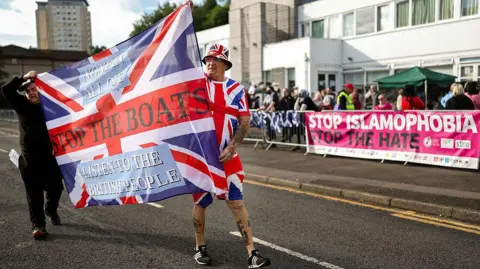
We’ve spent the last few period filming at protests against the hotels around the nation.
In the town, there are more than 11,000 names on the waiting list, seeking new properties. There is frustration at a view that these men – and it is exclusively males in the accommodation – have received priority.
Individuals are not usually allowed to be employed while their applications are being evaluated and get an stipend of £1.42 a day to survive on. With provided food, housing and no costs to pay, it sticks in the throats of several.
“They receive entertainment, they receive warmth, they receive clothing, they’re getting phones, they have free healthcare and if you think that’s fair in our society right now, I do not.”
Mobile phones are not supplied by the government but are commonly provided to individuals by charities who assist them.
Security Fears and Community Divisions
The individuals in the facility originate from a range of nations, including Asia, the continent and Eritrea, and all assert they need protection from danger.
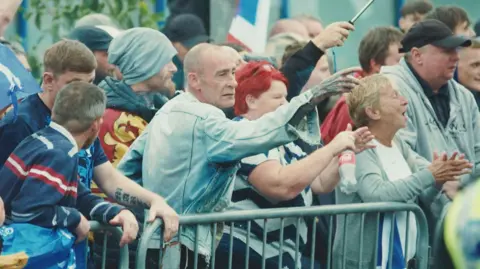
Sometimes we could see them peering out from behind covered windows, as chants of “Send them home! Return them!” ricocheted through the neighborhood.
The facility was previously a popular place for wedding receptions, anniversaries and gatherings.
No warning was offered or dialogue conducted with the local community that up to ninety individuals were going to be housed here in recent years.
“There is a sentiment that an issue is being imposed on them from above by people who neither know nor care what the effect is going to be.”
All the expenses of accommodating individuals in accommodations, about £2.1bn a year across the UK, are met by the UK government.
A community representative stated no asylum seeker was given priority over anyone else.
But it’s not just strain on resources which has got residents out on the roads. There is anxiety, too.
Former hotel occupant an individual, from Afghanistan, was sentenced in June for the rape of a teenage local youth.
“It devastated me to know that that individual’s life was damaged.”
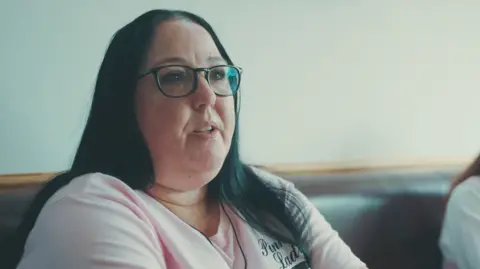
“We shouldn’t be living in terror,” she stated.
In the previous year, the year of the individual’s offense, there were 82 reports of violent crimes in the area.
Authorities states it does not maintain information detailing whether individuals are asylum seekers or not.
From publications, it appears a single case was committed by an asylum seeker that period – by Nikzad.
“Local individuals commit similar acts, but the situation is that the boats are still arriving. They [the individuals] have a different belief.”
